
The Significance of Architectural Photography

Architectural photography plays a crucial role in how buildings and spaces are perceived. It captures the design, structure, and essence of architecture in a way that static blueprints or descriptions cannot. I have seen firsthand how effective architectural photography can elevate the presentation of a property or commercial space. It is a tool that helps communicate the value and uniqueness of a building to potential clients, investors, or the public.
The Significance of Architectural Photography in Business
For businesses, especially those involved in real estate or commercial development, architectural photography is more than just pictures. It is a form of marketing. High-quality images can attract attention and generate interest. They show the details and craftsmanship that went into a project. This can influence decisions and build trust.
For example, a real estate agent listing a property in the Chicagoland area can benefit greatly from professional architectural photos. These images highlight the best features of the property, such as natural light, spacious rooms, or unique design elements. This can lead to faster sales and better offers.

How Architectural Photography Works
To understand the impact, it helps to know what is architectural photography. It involves photographing buildings and other structures in a way that accurately represents their form and function. The photographer must consider angles, lighting, and composition to create images that are both informative and visually appealing.
The process often includes:
Choosing the right time of day for natural light
Using wide-angle lenses to capture entire buildings
Correcting perspective distortions in post-processing
Highlighting textures and materials
These techniques ensure the photos serve their purpose, whether for marketing, documentation, or artistic expression.
Is Architectural Photography a Good Career?
I have observed that architectural photography can be a rewarding career. It combines technical skill with creativity. Photographers in this field often work with architects, builders, and real estate professionals. This collaboration can lead to steady work and opportunities to showcase unique projects.
The career requires patience and attention to detail. You must understand architectural styles and be able to adapt to different environments. The demand for quality images in commercial and residential real estate keeps this profession relevant.
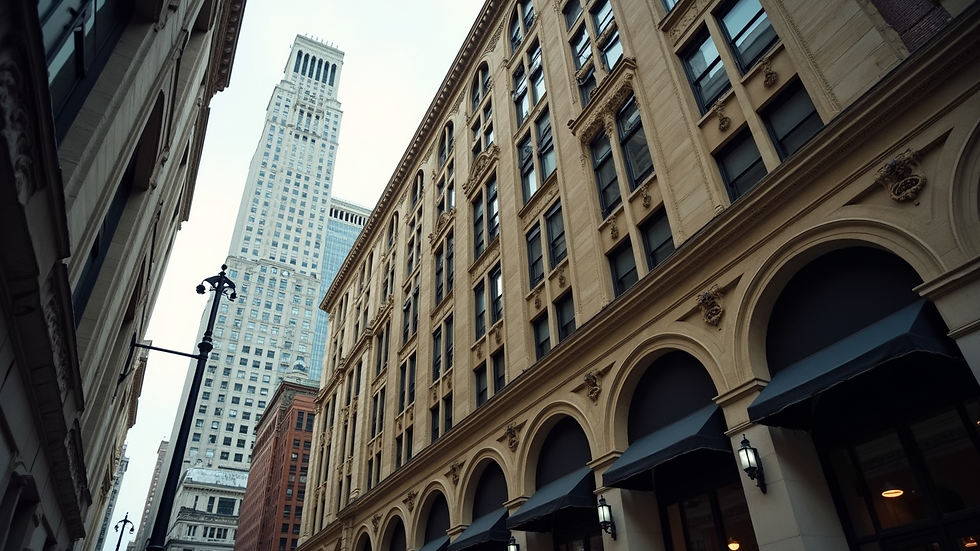
Moreover, specializing in a region like Chicagoland offers a diverse range of architectural styles to capture, from historic buildings to modern skyscrapers. This variety keeps the work interesting and challenging.
Practical Tips for Effective Architectural Photography
If you want to improve your architectural photography or hire a professional, consider these tips:
Plan Your Shoot - Visit the site beforehand. Note the best angles and lighting conditions.
Use a Tripod - Stability is key for sharp images, especially in low light.
Mind the Details - Remove clutter or distractions from the frame.
Shoot in RAW - This format allows better editing flexibility.
Focus on Symmetry and Lines - Architecture often features strong geometric shapes. Use them to create balanced compositions.
Include Context - Sometimes showing the building in its environment adds meaning.
Edit Thoughtfully - Adjust brightness, contrast, and correct lens distortion without overdoing it.
These steps help produce images that truly represent the architecture and appeal to viewers.
Why Professional Architectural Photography Matters
In my experience, professional architectural photography makes a difference in how a property or project is perceived. Amateur photos can miss important details or fail to capture the atmosphere. This can lead to missed opportunities.
Professional photographers bring expertise in lighting, composition, and post-processing. They understand how to showcase a building’s strengths. This is especially important in competitive markets like Chicagoland, where first impressions matter.
Investing in quality architectural photography can:
Increase property value perception
Enhance marketing materials
Support branding for architects and developers
Provide lasting records of construction projects
Choosing the right photographer is essential. Look for someone with a portfolio that matches your style and needs.
Moving Forward with Architectural Photography
Architectural photography is a vital part of presenting and preserving buildings. It bridges the gap between design and public perception. Whether for commercial use or personal projects, quality images tell a story that words alone cannot.
For those involved in real estate or commercial development, prioritizing architectural photography can lead to better engagement and results. It is an investment that pays off in visibility and professionalism.
I encourage anyone interested in this field or needing architectural visuals to consider the value of expert photography. It is a practical step toward showcasing architecture in its best light.


Comments