
Essentials of Architectural Photography: What Makes Architectural Photography Unique

Architectural photography is a specialized field that focuses on capturing buildings and structures in a way that highlights their design, form, and function. It is different from other types of photography because it requires a clear understanding of architecture and the ability to translate three-dimensional spaces into two-dimensional images. In this post, I will share what makes architectural photography unique and explain the essentials of architectural photography that help create compelling images.
Essentials of Architectural Photography
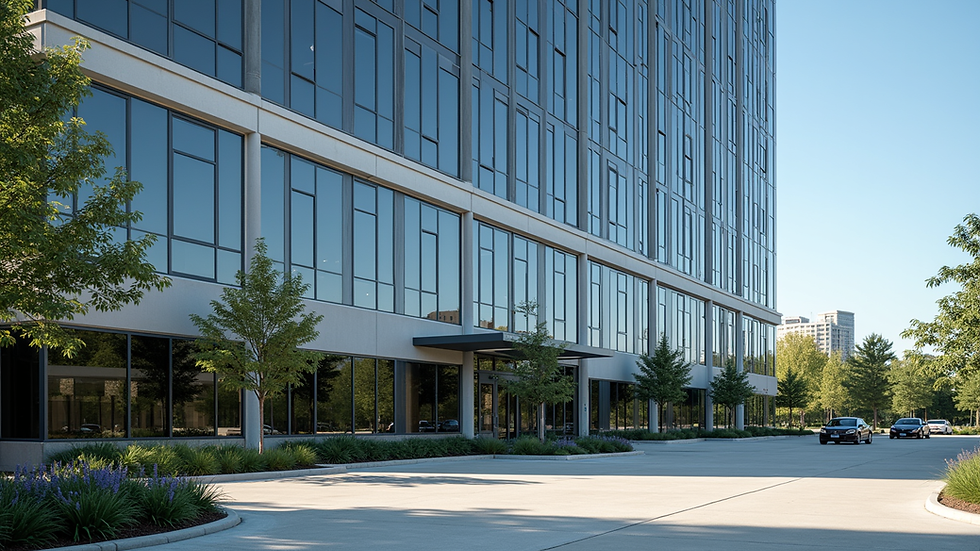
To create strong architectural photographs, I focus on several key elements. First, composition is critical. I look for lines, shapes, and patterns that define the structure. Buildings often have geometric forms, so I use these to guide the viewer’s eye through the image. I also pay attention to lighting. Natural light can emphasize textures and shadows, while artificial light can highlight specific features.
Another essential is perspective control. Buildings can appear distorted if the camera angle is not correct. I use tools like tilt-shift lenses or correct perspective in post-processing to keep vertical lines straight. This maintains the integrity of the structure and makes the photo look professional.
Finally, I consider the context of the building. Including the surrounding environment can tell a story about the building’s purpose and location. Sometimes, a simple background works best to keep the focus on the architecture itself.

What Makes Architectural Photography Unique
Architectural photography stands out because it combines technical skill with artistic vision. Unlike portrait or landscape photography, it requires a deep understanding of the subject’s design and function. I need to know how to highlight the building’s best features while minimizing distractions.
One unique aspect is the use of geometry and symmetry. Buildings often have repeating patterns and balanced shapes. Capturing these elements can create visually striking images. I also pay attention to scale. Including people or objects in the frame can show the size of the building and give viewers a sense of place.
Another difference is the challenge of working with varied lighting conditions. Buildings reflect light differently depending on the time of day and weather. I plan shoots carefully to capture the best light, often during early morning or late afternoon when shadows add depth.
For those interested in learning more about the basics, here is a helpful resource explaining what is architectural photography.
Is Architectural Photography a Good Career?
Architectural photography can be a rewarding career for those who enjoy both photography and architecture. It offers opportunities to work with real estate agents, architects, and businesses. The demand for high-quality images of buildings is steady, especially in growing urban areas.
The work requires patience and attention to detail. I often spend time scouting locations and waiting for the right light. It also involves technical skills like using specialized lenses and editing software. However, the results can be very satisfying when a building is captured perfectly.
Financially, architectural photography can be stable. Commercial clients often pay well for images that help sell properties or promote designs. Building a strong portfolio and network is important to succeed in this field.
Practical Tips for Architectural Photography
If you want to improve your architectural photography, here are some practical tips I follow:
Use a tripod - This helps keep the camera steady and allows for longer exposures in low light.
Shoot in RAW format - RAW files give more flexibility in editing, especially for correcting perspective and exposure.
Pay attention to weather - Overcast days can reduce harsh shadows, while clear skies can add contrast.
Experiment with angles - Don’t just shoot from eye level. Try low or high angles to find interesting perspectives.
Include details - Close-up shots of textures, materials, or architectural features add variety to your portfolio.
These tips help create images that are both accurate and visually appealing.

How Architectural Photography Supports Business Goals
High-quality architectural photography plays a key role in marketing and branding for businesses and real estate professionals. Clear, professional images help properties stand out online and attract potential buyers or clients. They also support architects and developers by showcasing their work in portfolios and presentations.
For businesses, architectural photos can enhance websites, brochures, and social media. They communicate professionalism and attention to detail. For real estate, good photos can speed up sales and increase property value.
In my work, I focus on delivering images that meet these goals. I understand the importance of accuracy and aesthetics in architectural photography. This helps clients in the Chicagoland area present their properties and projects in the best light.
Final Thoughts on Architectural Photography
Architectural photography is a unique blend of art and science. It requires technical knowledge, creativity, and an understanding of architecture. By mastering the essentials of architectural photography, I can create images that highlight the beauty and function of buildings.
Whether for commercial use or personal projects, architectural photography offers many opportunities. It helps tell the story of a place and its design. With the right approach, it can be a powerful tool for businesses and real estate professionals.
If you want to capture or showcase architecture effectively, focusing on composition, lighting, perspective, and context is essential. These elements make architectural photography stand out and serve its purpose well.


Comments