
Exploring Architectural Photo Essentials

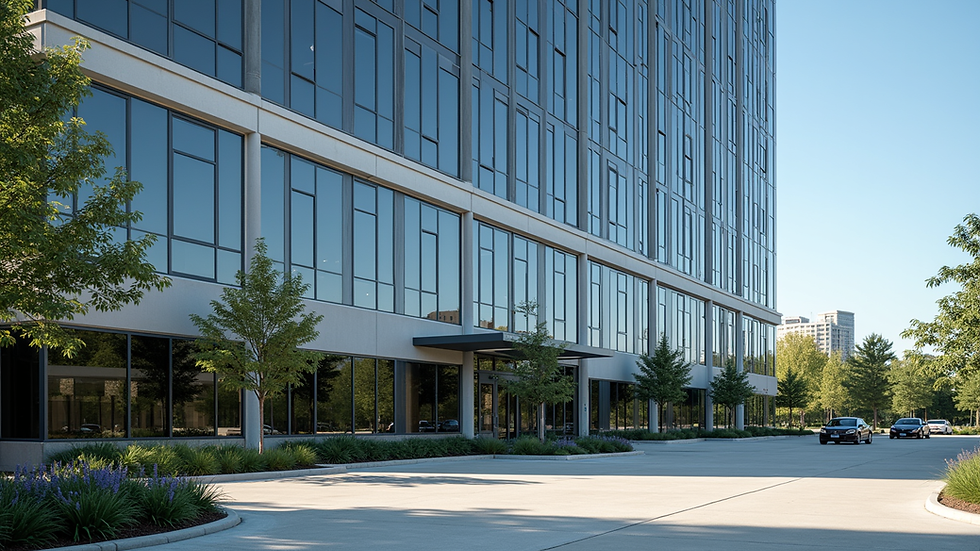
Architectural photography requires a clear understanding of the subject and the right techniques to capture buildings and structures effectively. I have worked with many clients who need images that highlight the design and function of their properties. This post covers the essentials you need to know to create strong architectural photos.
Key Architectural Photo Essentials
To start, you need the right equipment. A sturdy tripod is essential for sharp images, especially in low light. A wide-angle lens helps capture the full scale of buildings. I recommend a lens with a focal length between 16mm and 35mm for most architectural shots.
Lighting is another critical factor. Natural light works best during early morning or late afternoon. Overcast days can also provide soft, even lighting that reduces harsh shadows. When shooting interiors, I use additional lighting or adjust exposure settings to balance indoor and outdoor light.
Composition plays a major role. I focus on clean lines and symmetry. Using leading lines guides the viewer’s eye through the image. I also pay attention to framing and perspective to avoid distortion. Sometimes, I use tilt-shift lenses to correct perspective issues.

Understanding What is Architectural Photography
If you want to learn more about what is architectural photography, it involves capturing images of buildings and other structures in a way that highlights their design, form, and function. It is not just about taking pictures of buildings but telling a story about the space and its use.
Architectural photography serves many purposes. Real estate professionals use it to showcase properties. Businesses need it for marketing and branding. Architects and designers want to document their work. Each purpose requires a slightly different approach, but the fundamentals remain the same.
Is Architectural Photography a Good Career?
Architectural photography can be a rewarding career. It offers a mix of creativity and technical skill. I find it satisfying to help clients present their properties in the best light. The demand for quality architectural images is steady, especially in growing urban areas.
To succeed, you need to build a strong portfolio and network with local businesses, real estate agents, and architects. Specializing in a niche, such as commercial or residential properties, can help you stand out. Continuous learning about new equipment and techniques is also important.
The work can be physically demanding, requiring travel and sometimes working in challenging weather. However, the variety of projects keeps the job interesting. If you enjoy photography and architecture, this career offers many opportunities.
Practical Tips for Shooting Architectural Photos
Here are some tips I use regularly:
Scout the location before the shoot. Visit at different times to find the best light.
Use a tripod to keep your camera steady.
Shoot in RAW format for better editing flexibility.
Pay attention to details like reflections, shadows, and clutter.
Experiment with angles to find unique perspectives.
Include context by showing the building in its environment.
Edit carefully to enhance lines and colors without overdoing it.
For interiors, I often use HDR techniques to balance bright windows and darker rooms. I also communicate with clients to understand their goals and tailor the shoot accordingly.

How to Choose the Right Equipment
Choosing the right gear depends on your budget and the type of projects you take on. Here is what I recommend:
Camera: A DSLR or mirrorless camera with manual controls.
Lenses: Wide-angle for full building shots, standard zoom for details.
Tripod: Lightweight but stable.
Filters: Polarizing filters reduce glare and enhance skies.
Remote shutter release: Prevents camera shake.
Lighting: Portable LED panels for interior shoots.
Investing in quality equipment pays off in image quality and ease of shooting. I also keep backup batteries and memory cards ready to avoid interruptions.
Final Thoughts on Architectural Photo Essentials
Mastering architectural photography takes practice and attention to detail. By focusing on equipment, lighting, composition, and client needs, you can create images that stand out. Whether for commercial use or real estate listings, good architectural photos make a strong impression.
If you want professional results, consider working with a photographer who understands these essentials. The right images can help sell properties, promote businesses, and document architectural achievements effectively.


Comments